Chainsaws have been essential tools for countless industries, ranging from forestry to construction, and even for the everyday homeowner. However, operating this powerful tool requires knowledge, caution, and skill to ensure safety and efficiency. Whether you are a first-time chainsaw user or seeking to sharpen your existing skills, this article aims to provide a comprehensive guide on how to use a chainsaw effectively. From understanding the anatomy of a chainsaw to mastering proper technique and maintenance, join us as we delve into the world of chainsaw operation, empowering you with the knowledge needed to tackle any cutting tasks with confidence.
Safety Tips for Using a Chainsaw
Before you embark on your lumberjack adventure, make sure you are armed with the knowledge of how to safely operate a chainsaw. While this powerful tool can make quick work of cutting trees and branches, it can also be extremely dangerous if not used correctly. Follow these safety tips to protect yourself and ensure a successful chainsaw experience:
Wear Proper Protective Gear
Protective gear is an absolute must when using a chainsaw. Don’t even think about starting the chainsaw without wearing these essentials:
- Chainsaw chaps: These special pants are designed to protect your legs from potential injuries while operating a chainsaw.
- Steel-toed boots: A sturdy pair of boots with steel caps can shield your feet from falling debris and accidental contact with the chainsaw.
- Safety goggles: To guard against flying wood chips and debris, always wear impact-resistant goggles that cover your eyes fully.
- Ear protectors: The loud noise generated by a chainsaw can cause hearing damage, so make sure to wear ear muffs or earplugs.
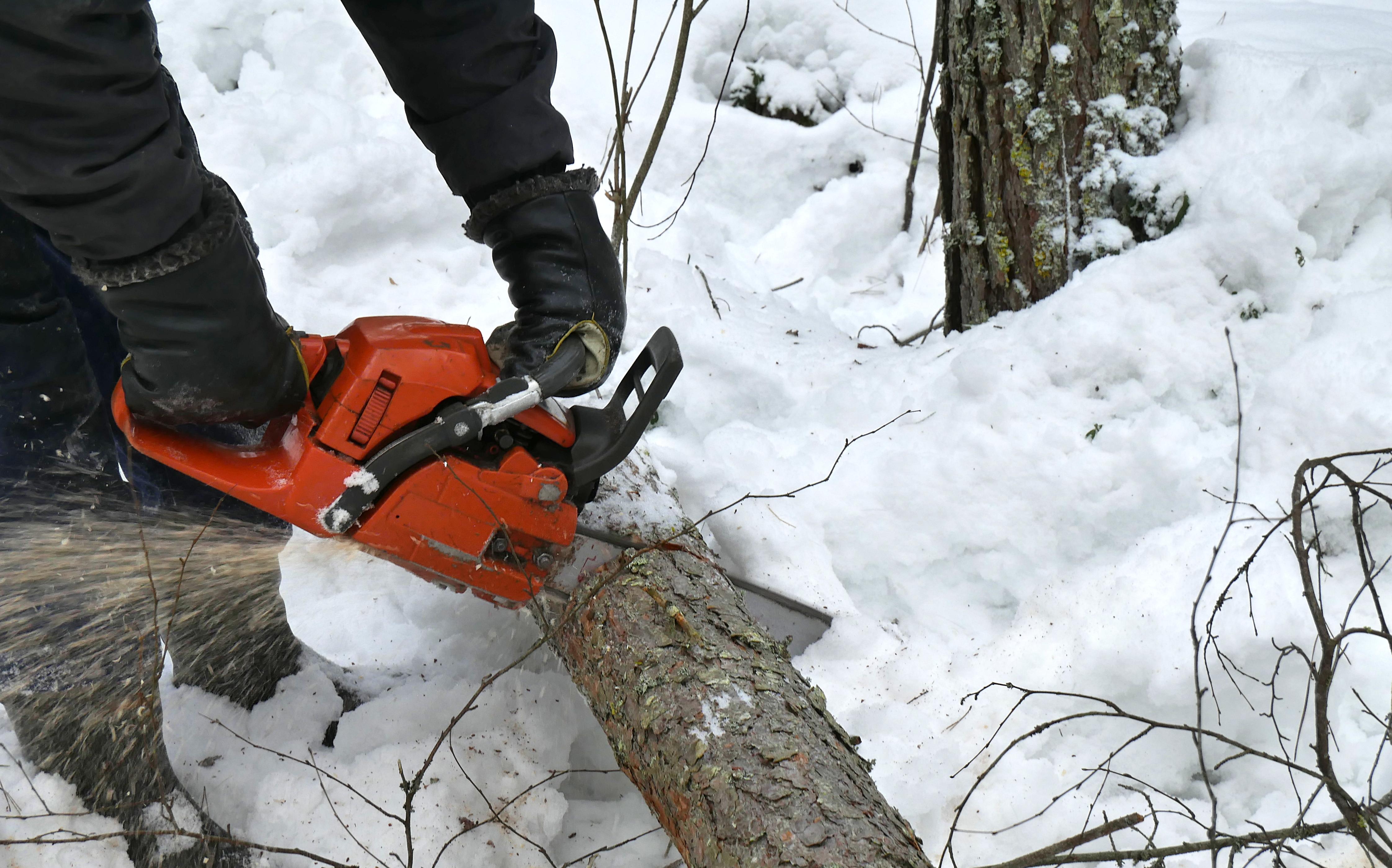
- Gloves: Invest in a pair of sturdy gloves with a good grip to enhance your control and protect your hands from cuts and blisters.
Inspect the Chainsaw
Prior to every use, inspect your chainsaw to ensure it’s in proper working condition:
- Check the chain tension: A loose chain can increase the risk of kickback, so ensure it is properly tensioned.
- Examine the fuel and oil levels: Make sure you have enough fuel and bar chain oil to complete your task safely.
- Inspect the bar and chain: Look for any damage or signs of wear on the bar and chain, and replace them if necessary.
- Inspect the controls and safety features: Verify that the chain brake, throttle, and other crucial controls are functioning correctly.
Use Proper Cutting Techniques
Adopting proper cutting techniques not only improves your safety, but also enhances the efficiency and effectiveness of your chainsaw:
- Firm footing: Ensure that you have a stable footing with a wide stance before starting the chainsaw.
- Maintain a secure grip: Hold the chainsaw firmly with both hands, keeping your thumbs wrapped around the handles.
- Position yourself correctly: Stand to the side of the chainsaw, never directly behind it, to avoid the risk of injury from kickback.
- Go slow and steady: Apply steady pressure and allow the chainsaw to do the work, without forcing it through the cut.
- Keep a safe distance: Beware of your surroundings and maintain a safe distance from people, objects, and hazardous areas.
Maintain and Store Your Chainsaw Properly
To ensure the longevity of your chainsaw and its optimal performance, proper maintenance and storage are crucial:
| Maintenance | Storage |
|---|---|
| Regularly clean the chainsaw, removing any debris or sawdust. | Store the chainsaw in a dry and secure location, away from children and pets. |
| Sharpen and replace the chain as needed to ensure efficient cutting. | Empty the fuel and oil tanks before long periods of inactivity to prevent leakage. |
| Check and clean the air filter to maintain optimal engine performance. | Keep the chainsaw covered or use a protective case to shield it from dust and moisture. |
By following these safety tips and guidelines, you can harness the power of a chainsaw while minimizing the risks. Remember, it’s always better to prioritize safety over speed when operating such a formidable tool. Stay safe and happy chainsawing!
Choosing the Right Chainsaw for the Job
When it comes to using a chainsaw, it is crucial to choose the right one for the job at hand. Different chainsaws have different features and capabilities that make them suitable for specific tasks. Here are some important factors to consider when selecting the perfect chainsaw for your needs:
1. Consider the size and power
The size and power of a chainsaw greatly influence its performance. For smaller, lighter tasks such as pruning branches or cutting firewood, a compact and lightweight chainsaw with a smaller engine is ideal. On the other hand, for larger jobs like felling trees or cutting thick logs, a more powerful chainsaw with a larger engine is necessary. Consider the size of the trees or logs you’ll be working with and choose a chainsaw that matches their dimensions.
2. Evaluate the chain bar length
The chain bar length refers to the distance between the chainsaw’s tip and the rear handle. A shorter bar length provides better maneuverability, making it suitable for tasks in confined spaces or working at heights. For bigger projects that require cutting through larger trees or logs, a longer bar length enables more efficient cutting and faster progress. Keep in mind that longer bar lengths can be more challenging to control, especially for inexperienced users.
3. Examine safety features
Safety should never be compromised when operating a chainsaw. Look for essential safety features such as an anti-kickback chain brake, which stops the chain if any sudden movement occurs, reducing the risk of accidents. Additionally, a chain catcher can prevent injury by catching the chain if it breaks or derails. Ergonomic handles with anti-vibration technology can also enhance comfort and reduce fatigue during long hours of use.
4. Consider the ease of maintenance
A chainsaw that is easy to maintain will save you time and prolong the lifespan of the equipment. Look for features such as tool-free access to the air filter and spark plug for quick cleaning and replacement. Automatic chain lubrication systems ensure proper lubrication of the chain, preventing premature wear. Pay attention to the manufacturer’s guidelines regarding maintenance intervals and procedures to ensure optimal performance.
5. Take noise and emissions into account
When operating a chainsaw, environmental impact and noise pollution should be considered. Gas-powered chainsaws tend to be louder and produce more emissions compared to electric or battery-powered alternatives. If noise restrictions or environmental concerns are a priority, electric or battery-powered chainsaws are a more suitable choice. However, keep in mind that electric chainsaws might have limited power and battery life, so consider the trade-offs depending on your needs.
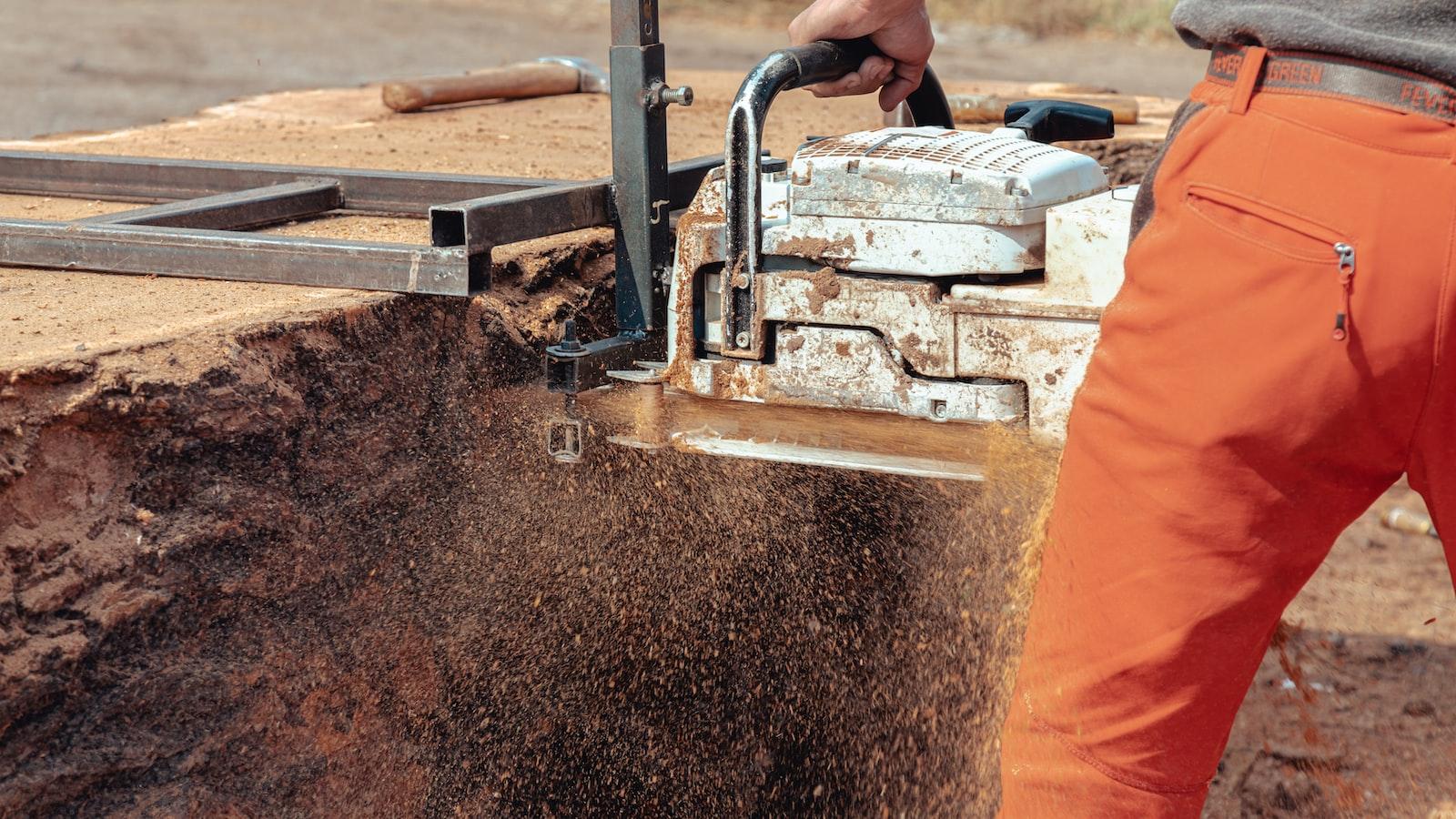
Essential Maintenance and Preparation for Chainsaw Operation
Before you rev up that chainsaw and start tackling your next backyard project, it’s crucial to properly maintain and prepare the equipment for safe and efficient operation. Taking the time to follow these essential maintenance steps will not only ensure your chainsaw stays in top-notch condition but also protect you and others from potential accidents.
1. Check Your Chainsaw
- Inspect the chain for any signs of damage, wear, or dullness. Replace it if necessary.
- Ensure the chain tension is correct. It should be snug against the guide bar but still able to move freely.
- Inspect the guide bar for any cracks, excessive wear, or damage. Replace if needed.
- Check the air filter, spark plug, and fuel filter. Replace or clean them according to the manufacturer’s guidelines.
2. Fuel and Oil
Using the correct fuel and oil mixture is essential for optimal chainsaw performance. Refer to the manufacturer’s recommendations for the appropriate mixture and always use high-quality products. Remember:
- Never use gasoline with a higher ethanol content than what the manufacturer specifies.
- Always mix the fuel and oil in a separate container, following the correct ratio.
- Use branded bar and chain oil to oil the guide bar and chain for improved lubrication.
3. Protective Gear
Prioritizing your safety while operating a chainsaw is paramount. Make sure to gear up with the following essential protective equipment:
- Helmet and Face Shield: Protect your head and face from falling debris and flying wood chips.
- Chainsaw Chaps or Pants: Designed to reduce the severity of injuries during kickbacks or accidental contact with the chain.
- Gloves: Provide a better grip and protect your hands from cuts or abrasions.
- Steel-Toed Boots: Sturdy footwear with good traction to safeguard your feet from falling objects and accidental slips.
4. Proper Technique
Using a chainsaw correctly significantly reduces the risk of accidents. Follow these guidelines to ensure safe operation:
- Stance: Stand with your feet shoulder-width apart for a stable base.
- Grip: Hold the chainsaw with both hands, ensuring a firm grip on the front and rear handles.
- Position: Keep the chainsaw slightly to the side and away from your body, maintaining a safe distance.
- Start and Stop: Follow the manufacturer’s instructions to start and stop the chainsaw correctly.
- Avoiding Kickback: Always be aware of the bar tip, which is the most common area for kickbacks. Never cut with the tip.

Proper Techniques for Effective and Safe Chainsaw Use
Using a chainsaw can be a powerful tool for maintaining your property, cutting firewood, or performing heavy-duty tasks. However, improper use can be dangerous and lead to serious injuries. To ensure both effectiveness and safety, it is crucial to follow proper techniques when operating a chainsaw.
Wear the Right Protective Gear
Before starting any chainsaw operations, always prioritize personal safety by wearing the appropriate protective gear. This includes:
- Helmet: Protects your head from falling branches and debris.
- Ear protection: Guards against excessive noise levels.
- Eye protection: Safety glasses or goggles shield your eyes from flying wood chips and sawdust.
- Gloves: Provide a better grip and protect your hands from potential cuts or abrasions.
- Chainsaw chaps: These specialized pants have protective pads that can prevent severe leg injuries if the saw accidentally touches your lower body.
Proper Handling and Positioning
When operating a chainsaw, always hold it with both hands to maintain control. Ensure a firm grip with your thumbs tightly wrapped around the handles. Stand with your feet shoulder-width apart for balance and stability. When cutting, keep the chainsaw close to your body and avoid overreaching, as this can increase the risk of sudden and dangerous kickbacks.
Maintaining a Safe Work Environment
A safe work environment is essential to prevent accidents while using a chainsaw. Clear the area of any obstacles, such as rocks or loose branches, that could cause you to trip or hinder the operation of the chainsaw. Also, maintain a safe distance from other individuals or objects, ensuring a proper escape route in case of emergencies.
Regular Chainsaw Maintenance
To keep your chainsaw functioning properly and safely, regular maintenance is necessary. This includes:
- Chain sharpening: A sharp chain improves cutting performance while reducing the risk of manual kickbacks.
- Lubrication: Ensuring proper lubrication of the chainsaw’s chain and guide bar reduces friction and prolongs its lifespan.
- Checking tension: A loose chain can increase the likelihood of a kickback, so regularly inspect and adjust the chain tension to the manufacturer’s recommended specifications.
Safe Chainsaw Refueling
When refueling your chainsaw, always follow these safety measures:
- Switch off: Before filling the tank, switch off the chainsaw and allow it to cool down. Never refuel a running or hot chainsaw.
- Clean area: Wipe the surrounding area to remove any fuel spills or debris that could potentially ignite.
- Use appropriate containers: Only use approved fuel containers specifically designed for chainsaw refueling to prevent accidental spills or leakage.
- Refuel in a well-ventilated area: Avoid refueling in enclosed spaces to reduce the risk of hazardous fume inhalation or ignition.
By mastering the proper techniques for using a chainsaw and adhering to safety guidelines, you can effectively and safely tackle various tasks, ensuring not only personal safety but also optimal cutting performance.

Personal Protective Equipment (PPE) for Chainsaw Operation
Personal Protective Equipment (PPE) is of utmost importance when operating a chainsaw. It is crucial to prioritize your safety to prevent any potential injuries or accidents. By following these guidelines, you can ensure that you are adequately protected while using a chainsaw.
-
Head Protection:
Wearing a hard hat with a face shield or safety goggles is essential to shield your face and eyes from flying debris. Ensure that the face shield is properly attached to the hard hat and that it provides adequate coverage. Safety goggles should fit snugly and offer impact resistance to protect your eyes from any potential hazards. -
Hearing Protection:
Chainsaws produce high levels of noise that can lead to hearing damage. It is recommended to wear ear muffs or ear plugs to protect your ears from prolonged exposure to loud noise. Ensure that your hearing protection fits comfortably and provides sufficient noise reduction. -
Hand Protection:
When operating a chainsaw, it is crucial to wear appropriate gloves to protect your hands from cuts and abrasions. Look for gloves that are specifically designed for chainsaw use, as they are made with cut-resistant materials and provide a good grip on the handles. Make sure the gloves fit properly and allow for proper finger dexterity. -
Leg Protection:
Chainsaw accidents can cause severe injuries, especially to the legs. Wearing chainsaw pants or chaps is highly recommended to protect your legs from potential chainsaw cuts. These pants or chaps are made with cut-resistant fibers and provide an extra layer of protection. Ensure that the pants or chaps fit properly and cover the entire leg area. -
Foot Protection:
It is crucial to wear suitable footwear that offers protection against accidental chainsaw cuts. Chainsaw boots are designed with reinforced toes and sturdy soles to protect your feet from falling objects or accidental contact with the chainsaw. Make sure the boots fit properly and provide good ankle support.
Remember, wearing the appropriate PPE is not only important for your safety but also a legal requirement in many jurisdictions. Prioritize safety by following these guidelines and investing in high-quality PPE. Stay vigilant, remain focused, and always prioritize safety when operating a chainsaw.
Q&A
Q: What safety measures should I take before using a chainsaw?
A: Before using a chainsaw, it is essential to wear appropriate safety gear, including a helmet with a face shield, hearing protection, anti-vibration gloves, chainsaw chaps or pants, and steel-toe boots. Additionally, ensure that you have a first aid kit and fire extinguisher nearby, and always have someone else in the vicinity for assistance.
Q: What are some basic maintenance steps for a chainsaw?
A: Regular maintenance is crucial to keep your chainsaw running smoothly. Clean the air filter after every use, regularly check and tighten the chain tension, and sharpen the chain as needed. It is also important to clean the chain bar groove and lubricate it with bar oil.
Q: How should I start a chainsaw properly?
A: Firstly, make sure the chainsaw is placed on a flat surface. Activate the chain brake by pulling the brake handle towards you. Set the choke to “on” position, then push the decompression valve if your chainsaw has one. Hold the rear handle with your left hand while placing your right foot in the rear handle opening for stability, and then grasp the front handle. Pull the starter cord until the engine fires, and push the choke to the “off” position. Give it a couple of pulls until it starts running smoothly.
Q: What are some techniques to safely cut with a chainsaw?
A: Always hold the chainsaw firmly with both hands, keeping your elbows locked. Stand with your feet shoulder-width apart in a stable position. When cutting, start the chainsaw at full throttle, and release the throttle as the cut progresses. Apply slight downward pressure on the chainsaw while using a smooth, sweeping motion. For safety, never cut above shoulder height or directly under your body.
Q: How can I avoid kickback while using a chainsaw?
A: Kickback is a common risk when using a chainsaw. Minimize the chance of kickback by using a chainsaw with a low kickback chain and bar, as well as a chain brake. Maintain proper chain tension, avoid cutting with the tip of the bar, and ensure the chain teeth are sharp. Finally, never let the tip of the guide bar contact any object and always stand to the side of the cutting path.
Q: What is the proper way to store a chainsaw?
A: After using a chainsaw, allow it to cool down before storing. Clean the saw thoroughly, removing any wood chips, dirt, or debris. Drain the fuel tank and start the engine to burn any remaining fuel. Store the chainsaw in a dry and secure place, such as a locked shed or garage, away from any flammable materials or the reach of children.
Q: How often should a chainsaw be serviced or inspected?
A: Chainsaws should be serviced regularly. It is recommended to have a professional inspection and maintenance done annually. However, regular checks for wear, chain tension, lubrication, and overall functionality should be performed before each use to ensure safe and efficient operation.
Q: Are there any specific safety guidelines for felling trees with a chainsaw?
A: Felling trees requires advanced knowledge and skills. It is highly recommended to undergo proper training or hire a professional arborist. However, some general safety guidelines include assessing the tree for hazards such as tangled limbs or power lines, ensuring a clear escape route, and making precise cuts using specialized felling techniques.
Q: What are some common mistakes to avoid when using a chainsaw?
A: Avoid common mistakes by always wearing appropriate protective gear, understanding the operator’s manual, and following safety guidelines. Never attempt to modify the chainsaw or use it in ways not recommended. Avoid cutting near obstructions or at awkward angles, and never leave a running chainsaw unattended. Additionally, do not use a chainsaw above your capability or while fatigued or impaired. In conclusion, mastering the proper techniques for using a chainsaw is essential for both your safety and the successful completion of any cutting task. By following the steps outlined in this article, you can ensure that you are equipped with the knowledge and skills necessary to handle a chainsaw effectively. Remember to prioritize safety by wearing protective gear, maintaining the chainsaw properly, and being aware of your surroundings. Additionally, always prepare yourself mentally and physically before starting any cutting job, and familiarize yourself with the specific features and functions of your chainsaw. Finally, practice patience and precision in your cutting technique, ensuring that you maintain a steady grip and proper cutting angle. Embracing these guidelines and consistently practicing them will undoubtedly lead to a more efficient and safe chainsaw experience. So, equip yourself with confidence, knowledge, and caution, and go forth to accomplish your cutting tasks with the utmost proficiency and safety.